Tourism
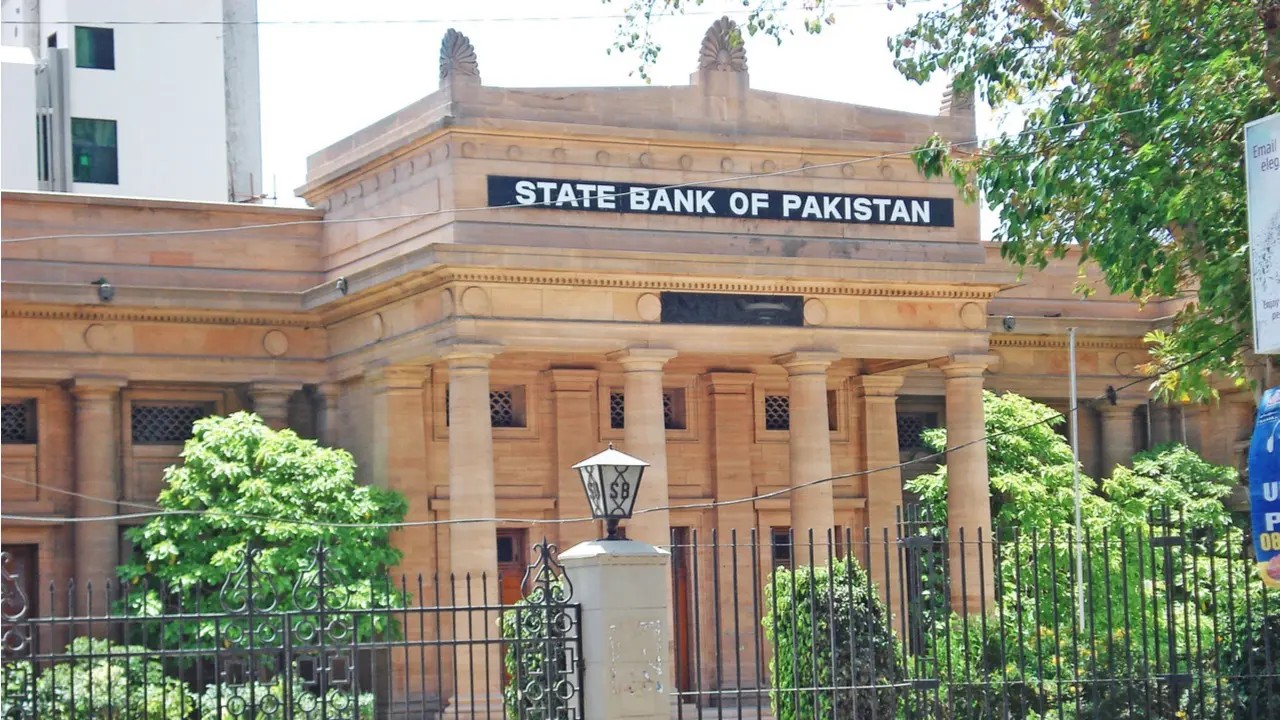
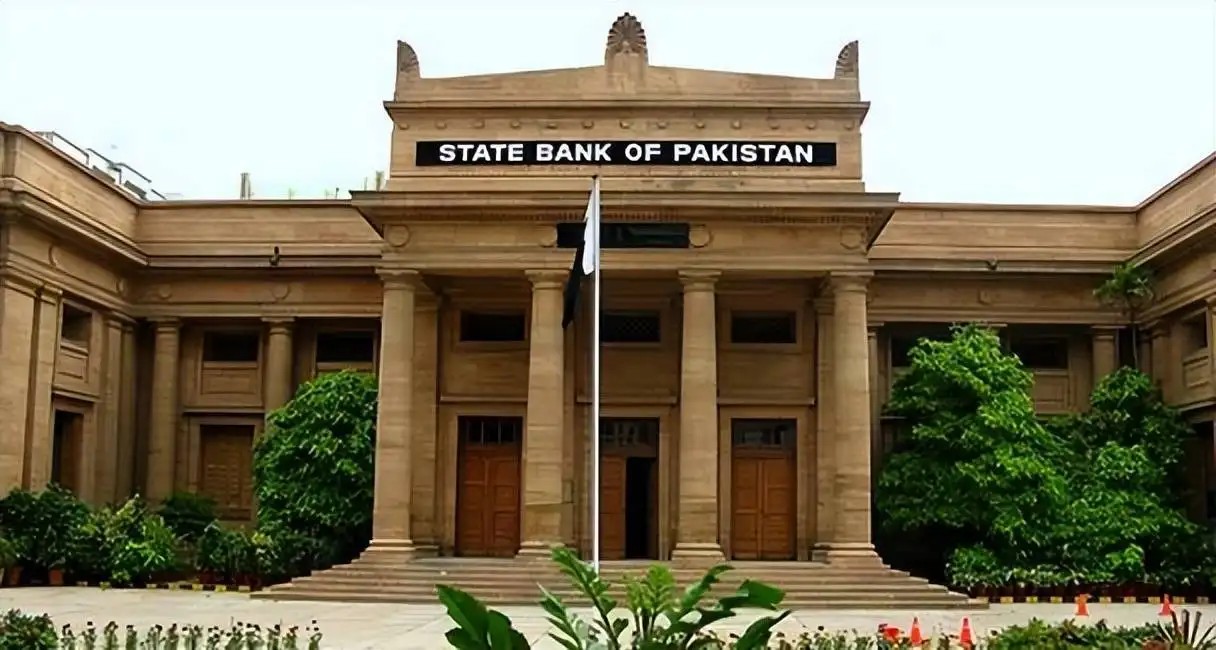
State Bank of Pakistan
State Bank of Pakistan, the Central Bank of Pakistan. Established on July 1, 1948.
The State Bank of Pakistan, authorized by the Banking Act 948 to "Manage the issuance of bank notes, Maintain reserves to stabilize the currency and Effectively implement the national monetary and credit system". The National Banking Act of 1956 further expanded the bank's powers, requiring the bank to "Manage and control the monetary and credit system of Pakistan so that the improvement and development of the monetary and credit system is conducive to the country, to monetary stability and to the full utilization of the productive resources of the country". The bank implements the national monetary policy from three aspects: First, as the issuing bank, it controls the currency issuance to ensure the currency stability; Second, as a bank of bank, control the increase or decrease of credit in various ways; Third, as the national bank, it plays a role in limiting the government's fiscal deficit, avoiding or reducing the fiscal issuance of money. The bank's operations are supervised and directed by a central board of directors. The chairman, vice-chairman and eight directors are appointed by the central government. The chief executive is the President, who is responsible for guiding and controlling the functions of the State bank, managing the banking business and presiding over the central Board of Directors meetings. The Deputy Governors shall assist the Governor in his work. The Governor and deputy governors are appointed by the central government for a term of five years and may be reappointed.